Today, chemistry is a subject that is
valuable because of its practical significance. Not so much in
industrial applications, but in everyday life – chemical
reactions can help us to simplify our own lives greatly, and make
any process simpler. Obviously, they will only work if we do them
properly. So, where and how can we best apply our knowledge of
chemistry when helping around the house? This is what this article
will discuss.
Active substances are used to clean dishes and surfaces. In what
cases should they be used?
Types of simple cleaning substances
Every day we use household and toilet soaps, without even
suspecting the number of chemical reactions that take place in
them. In itself, soap is a sodium or calcium salt of a
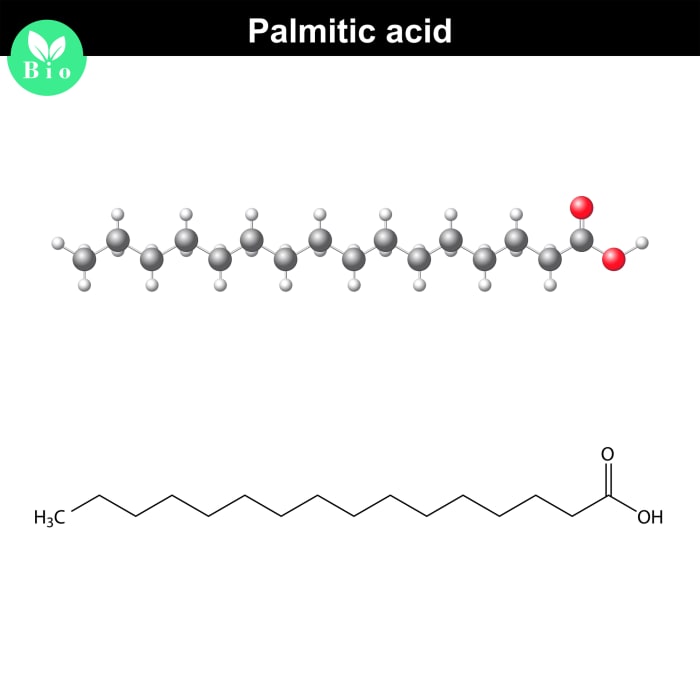
high-molecular saturated fatty acid (palmitic acid). It is simple
to make, through the reaction of sodium hydroxide and a long-chain
acid (naturally, in this case we are talking about household soap –
more aromatizers are used in making toilet soap). Palmitic acid molecule
[Deposit Photos]
The mechanism of these substances works as
follows – thanks to the physical features of molecules
(bipolarity), these compounds display lipophilic properties. So
these compounds can attract fat molecules, and thus clean
dirty surfaces.
Another example of using knowledge of chemistry in an applied
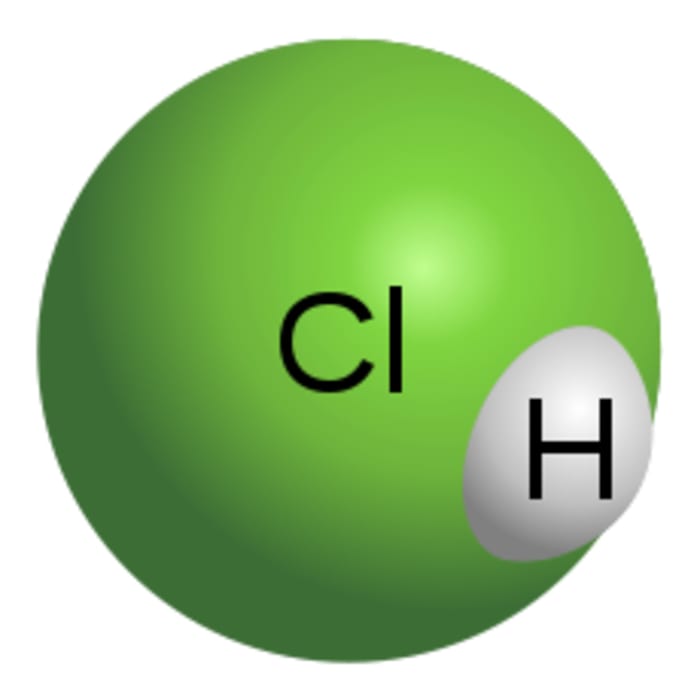
manner is taking a solution of hydrochloric acid to clean
surfaces of incrustations and dirt (cleaning bathroom equipment).
The method is somewhat outdated because it is dangerous –
hydrochloric acid is strong, and so even a 35% solution of this
compound will remove any deposits from any kind of surface. The
result will surpass all your expectations.
However, this method is only recommended
if the problem cannot be solved by safe methods. The main thing is to
observe safety rules, to wear gloves, a mask and respirator.
Recent discoveries have brought us many complex compounds for
cleaning, but it is also possible to prepare an effective
cleaning agent in the home.
What dishes can we prepare using our knowledge of practical
chemistry?
The most widespread “home” example we can consider is “soaking
salt with vinegar”. Everyone remembers watching their mothers
sprinkling soda (sodium hydrocarbonate) into a spoon and then
pouring vinegar over it (so only two components are required).
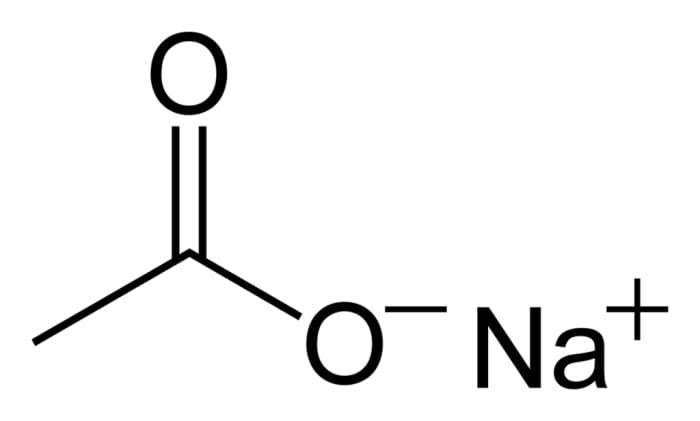
Sodium acetate forms, a compound which can be added to dough to make
it looser.
Why does one salt turn into another? We’ll look at how this works
in more detail. A salt of a weak acid and organic acid take part in
the process. As the acetic acid is stronger than the carbonic one, the
acid residue is replaced. To create a new substance, carbon
dioxide forms, as a result of the breakdown of carbonic acid. This
compound is a side product of the reactions, and as it forms we see
bubbles, and also hear a characteristic hiss. This effect doesn’t
last for very long, but it’s quite impressive. Click here to find many more wonderful reactions with substances from everyday life.
Decontamination of poisonous compounds
Few people know that the most reliable way to deal with broken
mercury thermometers is to use sulfur. Sprinkle the area where the
thermometer broke and where drops of mercury are scattered. Mercury
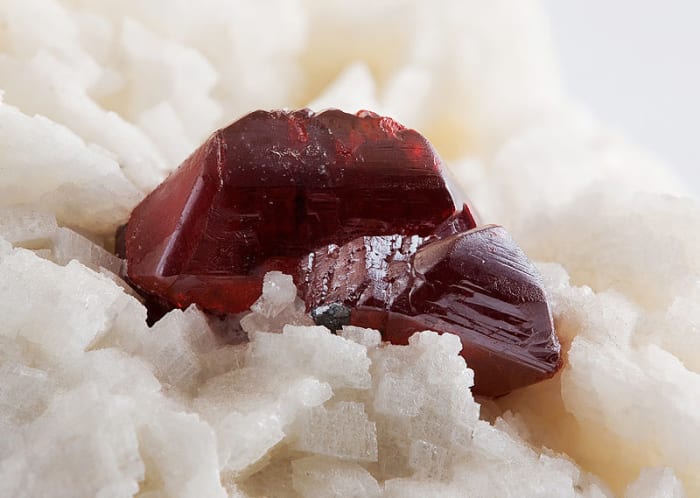
sulfide is formed – a compound which can be easily detected on
the floor.
Compare Tell what is the same about two or more things Contrast Tell what is different about two or more things Double Bubble Maps • It is a great way to organize your thoughts when you are comparing and contrasting two things. • In the middle you put how the two objects are alike. • On the sides you put how the objects are different. What can we compare and contrast? • Books • People • Objects • Animals • Places • Music • Events Calcium Vs Strontium : Compare and Contrast Calcium Calcium is a chemical element with symbol Ca and atomic number 20. Calcium is a soft grayis...

What causes the detergent or soap to feel hot in the hand?
BalasHapusBecause the detergent and soap ph is too high
HapusWhat other examples of chemical reactions in everyday life?
BalasHapus
HapusPhotosynthesis
Color Meat
Apples turn brown
Fermentation
What is the danger of household and toilet soaps?
BalasHapus
HapusEnvironmental pollution if thrown away carelessly
What is aromatizers and give an example?
BalasHapusAn object produced from an odorous material, for example aromatized food coloring pandanus
Hapus